
No products in the cart.


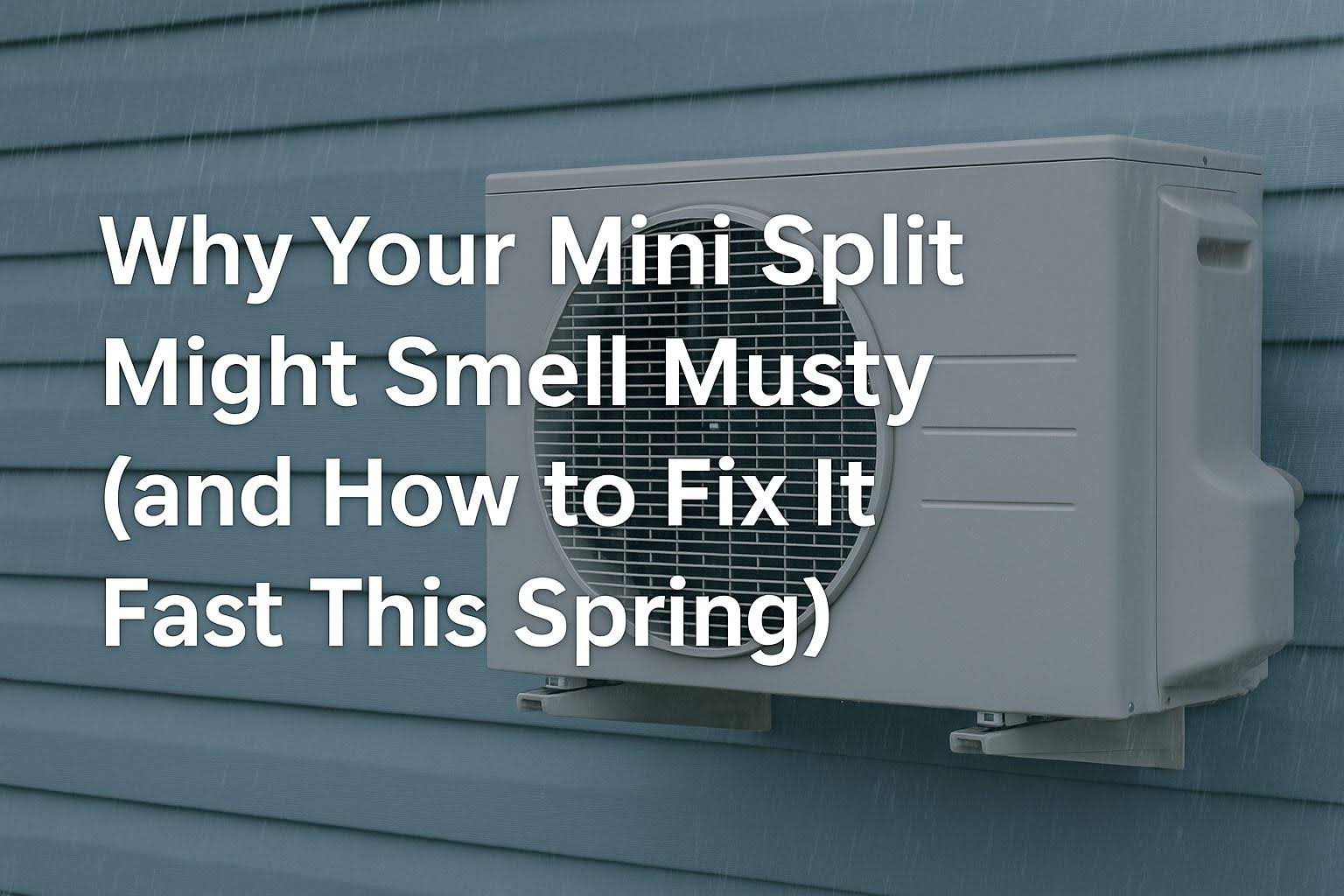
As hurricane season ramps up, many homeowners focus on boarding windows, trimming trees, and gathering emergency supplies. But one often-overlooked system that needs protection is your mini split air conditioner, specifically the outdoor condenser unit. Because these systems are exposed to the elements, they’re vulnerable to high winds, water, and flying debris. Neglecting your HVAC system during hurricane prep can lead to costly damage and leave your home without air conditioning during the hottest, most humid time of year.
To understand mini splits better, check out What Is a Ductless Mini-Split Air Conditioner?.
In this blog, we’ll walk you through how to protect your mini split during hurricane season and ensure it stays operational post-storm.
Why Mini Splits Are Vulnerable in Storm Season
Unlike central AC systems that may have protected outdoor areas, most ductless mini split systems, like a 12,000 BTU Ductless Mini-Split Air Conditioner, have fully exposed outdoor condensers. This makes them susceptible to:
- Flying debris from trees, fences, and patio furniture can puncture or damage the casing and coils
- High winds can shake or topple improperly secured units
- Flooding or standing water can damage the electrical components or cause corrosion
- Saltwater air, especially near the coast, can speed up corrosion if the unit isn’t made with protective coatings
- Power outages or surges can fry sensitive components inside the mini split, leading to expensive repairs
A little preparation can hurricane-proof your mini split and save you hundreds or thousands of dollars. For more on system maintenance, see To Fix or Not to Fix: Navigating the Ductless Mini-Split Conundrum.
6 Ways to Hurricane-Proof Your Mini Split
1. Elevate the Outdoor Unit
If your mini split, such as a Ceiling Cassette Mini-Split, is mounted close to the ground, it risks flood damage from poor drainage or storm surge. Mount the outdoor unit on a raised platform or concrete stand, 12 to 24 inches above ground, to prevent water from short-circuiting the system. Ensure proper installation with How to Install a Mini Split Unit: A Step-by-Step Guide for DIYers.
2. Install a Protective Cage or Wind Barrier
Protect your unit from flying debris with a powder-coated steel cage or louvered wind barrier, available in our Accessories Category. These block branches and furniture without restricting airflow. Avoid tarps or plastic covers that trap heat and moisture, as they can cause rust or overheating, especially in humid climates—see How Mini Splits Can Help Prevent Mold Growth in Humid Climates.
3. Secure with Hurricane Straps or Mounting Brackets
Ensure your unit is anchored to the wall or a concrete slab with stainless steel brackets or hurricane-rated straps. For wall-mounted units, verify the wall’s strength and use corrosion-resistant screws. High winds can dislodge unsecured units, so double-check your setup.
For multi-zone systems, like a Multi-Zone Mini-Split Air Conditioner, ensure all outdoor components are secure.
4. Shut Down the Unit Before the Storm
Completely shut off power to your mini split at the circuit breaker to protect against power surges and voltage spikes from lightning or grid failure. This prevents overheating or burnout if airflow is blocked. For safe electrical practices, refer to The Ultimate Guide to Tools and Accessories for Installing and Maintaining Ductless Mini-Split Air Conditioners.
5. Use a Surge Protector
Install a dedicated surge protector between your mini split and electrical panel to absorb excess voltage from lightning strikes or power surges. This inexpensive defense can save your compressor or motherboard, especially for high-efficiency units like a Mini-Split Heat Pump.
6. Schedule a Post-Storm Inspection
After the storm, internal damage may not be visible. Schedule a professional inspection to check for refrigerant leaks, damaged coils, electrical shorts, or water in drain lines. Catching issues early prevents costly repairs. For tips on maintaining air quality post-storm, see Air Quality and Efficiency of a Ductless Mini-Split AC.
Long-Term Planning Tips
To protect your mini split during hurricane season in hurricane-prone regions, incorporate these upgrades into your annual plan:
- Choose corrosion-resistant models like those from MRCOOL, featured in Meet MRCOOL: The DIY Mini Split System That’s Changing the Game, designed for coastal environments.
- Upgrade to smart thermostats that let you shut off your system remotely.
- Add UV lights or drain pan heaters from our Accessories Category to keep internal parts dry and bacteria-free, reducing post-storm odor risks—see How to Fix a Musty Mini Split Smell: Pro Tips & DIY Tricks.
- Inspect your system every spring and fall to catch wear and tear before storm season arrives.
- Ensure proper sizing to avoid strain on your system during extreme weather. Learn more in How to Choose the Right Mini Split Size for Your Room: Don’t Overpay or Undercool.
Pre-Season Maintenance: Schedule a professional tune-up before hurricane season to clean coils, check drainage, and verify electrical connections. This ensures your mini split, whether a 9,000 BTU Mini-Split Air Conditioner or larger, is storm-ready and efficient. Regular maintenance can also improve energy savings, as outlined in Simple Tips to Save on Air Conditioning Costs with Your Ductless Mini-Split System.
Should You Replace a Damaged Unit?
If your mini split was already aging or showing signs of wear before the storm, this may be a good time to upgrade. Many homeowners are switching to newer, more efficient models that include hurricane-ready features such as:
- All-weather housings
- Anti-corrosion coil protection
- Advanced surge protection
- Built-in lea
If you’re considering replacing or upgrading your system, we can help you find the right model for your needs and budget.
Final Thoughts
Your mini split may not be the first thing that comes to mind when preparing for hurricane season, but it should be. Protecting your HVAC investment means more comfort and less expense when the skies clear.
If you’re unsure whether your system is ready, or if you’d like help securing or inspecting your unit, contact us here to schedule a storm-readiness consultation.

 English
 Arabic