
No products in the cart.

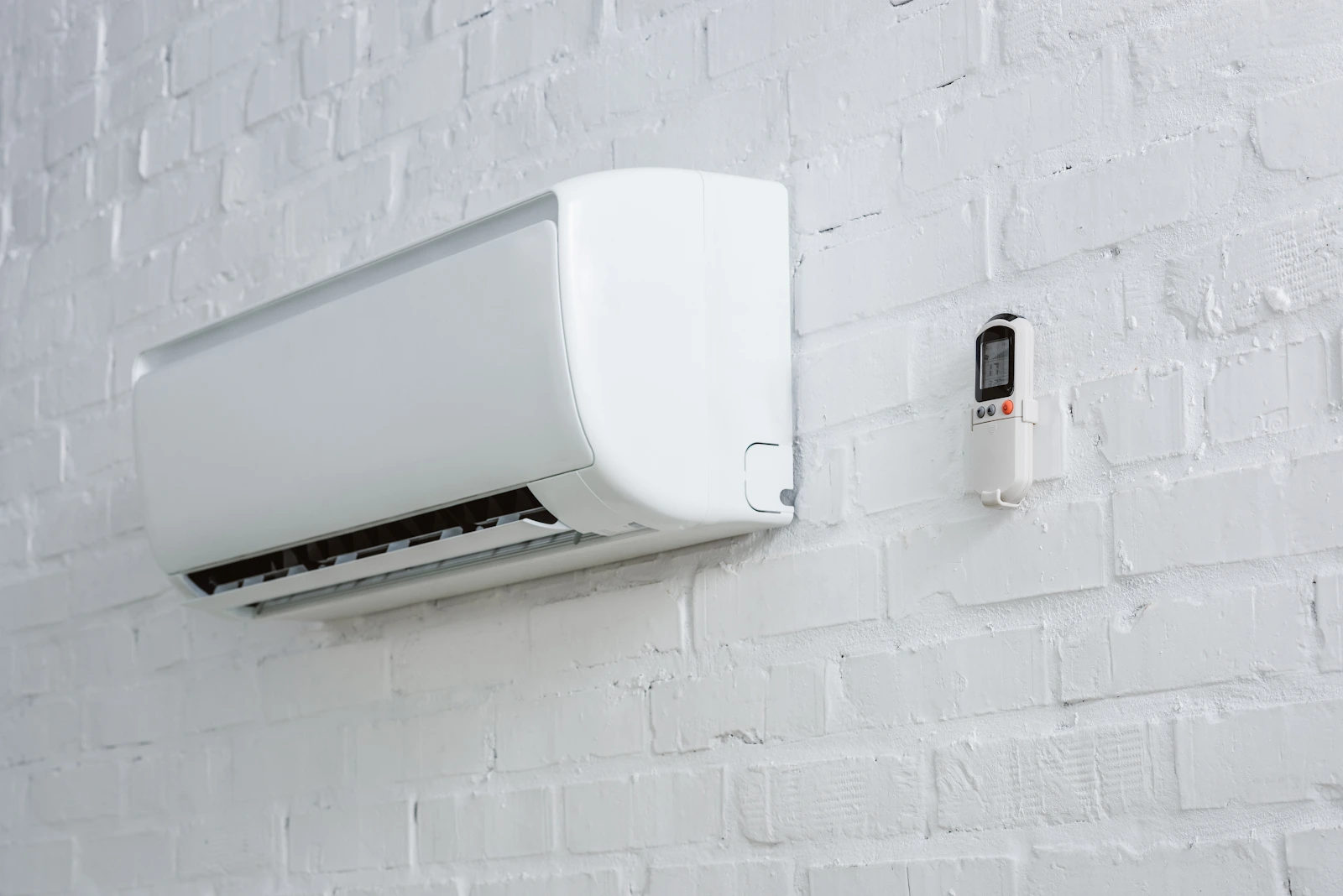
Mini split systems are one of the most efficient and customizable ways to heat and cool your home, but only when chosen and installed correctly. Unfortunately, many homeowners make avoidable mistakes that cost them time, money, and comfort. Curious about mini splits? Start with What Is a Ductless Mini-Split Air Conditioner?.
If you’re considering a mini split system, this guide will help you steer clear of the most common pitfalls and get the best performance from your investment. Explore top options in our Single-Zone Mini-Split Air Conditioners.
1. Choosing the Wrong Size Unit
One of the biggest, and most expensive, mistakes is buying a unit that’s too big or too small. An oversized unit, like a 24,000 BTU Ductless Mini-Split Air Conditioner for a small room, will short cycle, causing uneven temperatures and higher energy bills. An undersized unit, like a 9,000 BTU Mini-Split Air Conditioner for a large space, will run constantly without effectively cooling or heating.
How to avoid it:
Use a professional BTU sizing guide, as detailed in How to Choose the Right Mini Split Size for Your Room: Don’t Overpay or Undercool. Factors like square footage, insulation, ceiling height, and window exposure all matter.
2. Ignoring Electrical Requirements
Mini splits require specific voltage and amp connections, and not all homes are wired the same. Many DIY buyers overlook this until they’ve already purchased a unit.
How to avoid it:
Check your breaker panel and electrical setup before buying. For guidance on electrical connections, see How to Install a Mini Split Unit: A Step-by-Step Guide for DIYers. If unsure, have an electrician assess your needs, especially for 220V units in our Multi-Zone Mini-Split Air Conditioners.
3. Overlooking the Importance of Placement
Where you install the indoor and outdoor units affects efficiency, comfort, and maintenance. Bad placement can lead to airflow issues, hot spots, or premature system wear, especially for units like a Ceiling Cassette Mini-Split.
How to avoid it:
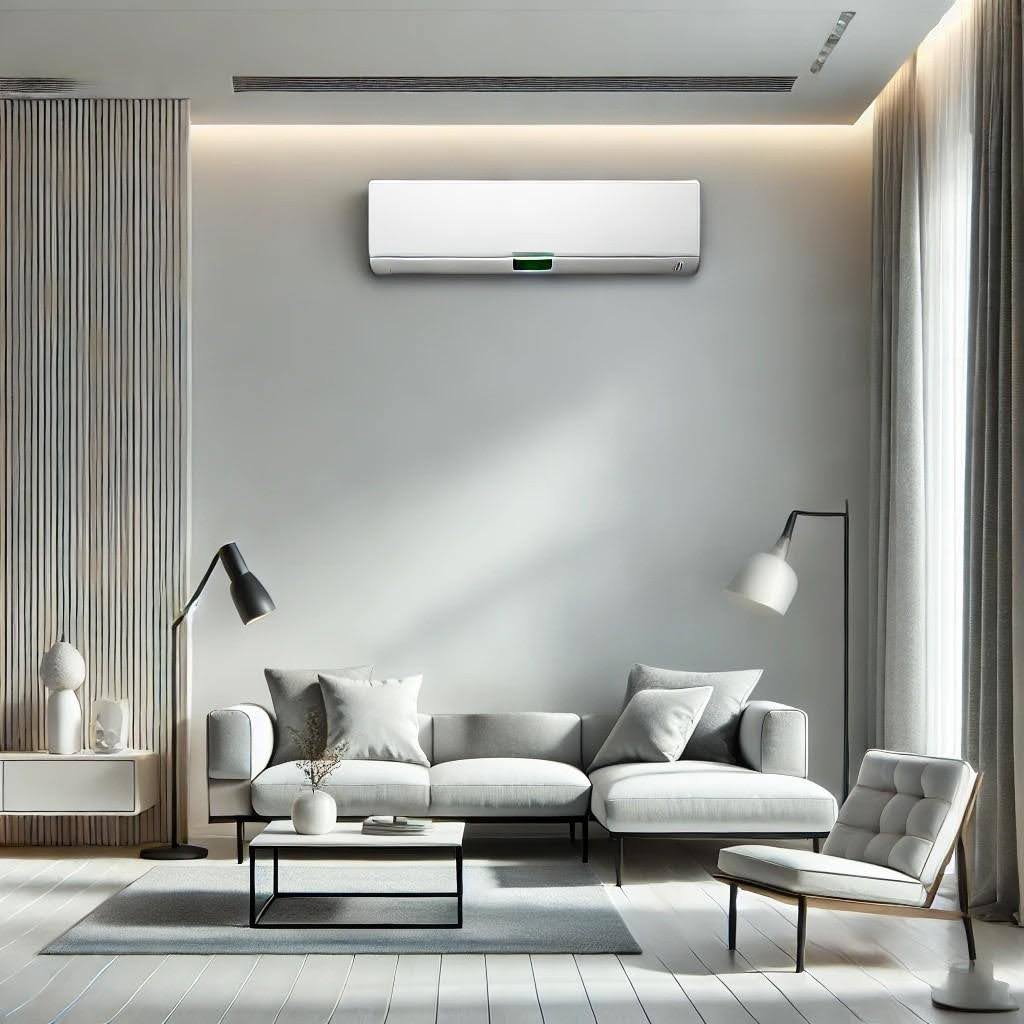
Install the indoor unit high on the wall in a central location, away from heat sources or sunlight. The outdoor condenser should have 12–24 inches of clearance for airflow. For placement tips, check out Meet MRCOOL: The DIY Mini Split System That’s Changing the Game.
4. Skipping the Drainage Plan
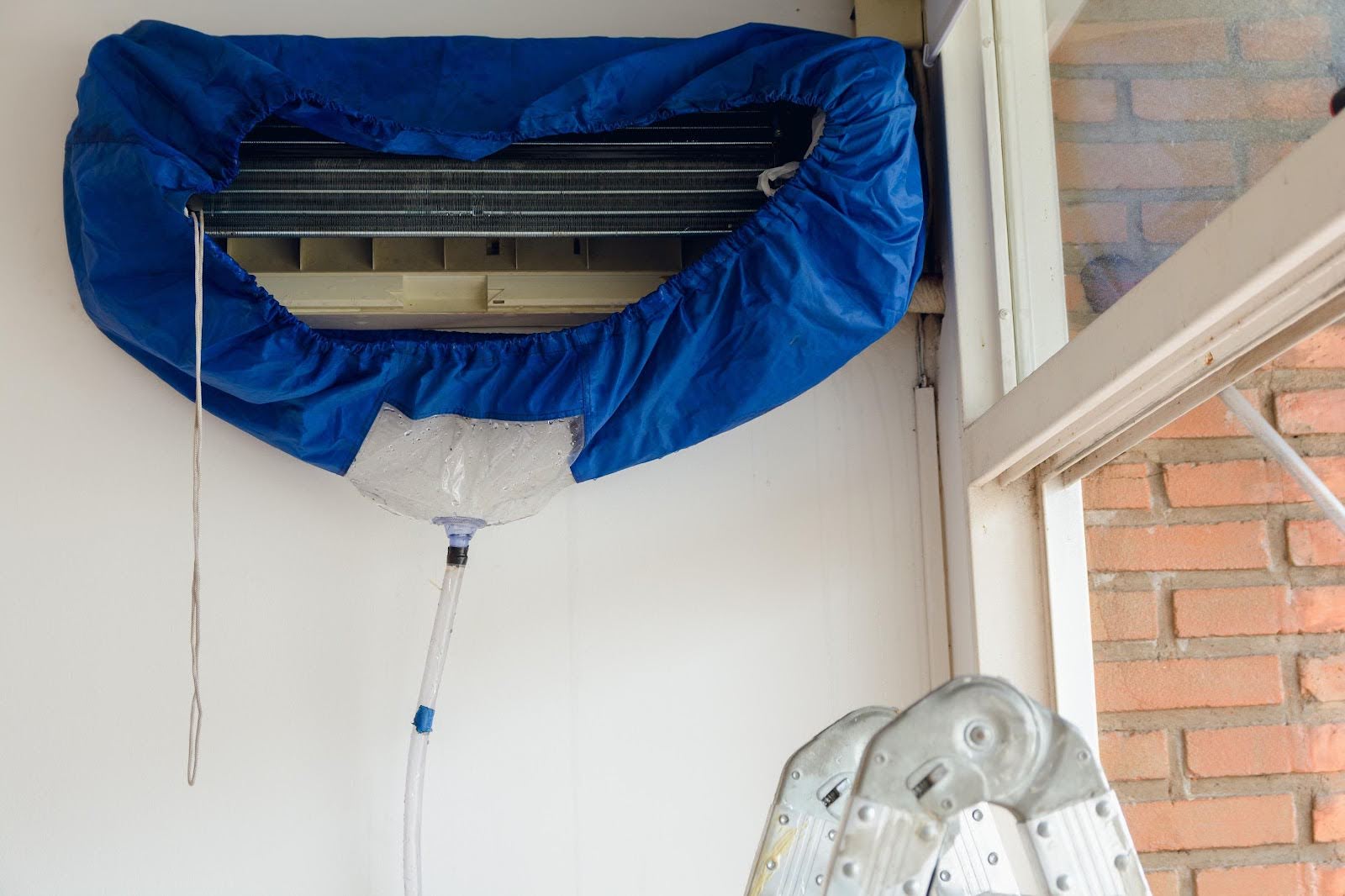
Many DIY installations forget about condensate drainage, which can lead to water damage or mold issues over time—learn more in How to Fix a Musty Mini Split Smell: Pro Tips & DIY Tricks.
How to avoid it:
Ensure your mini split has a clear path for drain line runoff, using gravity or a condensate pump, available in our Accessories Category. This is critical for second-floor or basement units, like those in How to Cool a Room with No Windows: Why Mini Splits Are the Perfect Solution.
5. Trying to DIY Without the Right Experience
While some mini splits, like those in our MRCOOL DIY Mini Split Systems, are designed for homeowners, most systems require professional setup for refrigerant handling and electrical connections. DIY errors can void warranties or lead to repairs—see To Fix or Not to Fix: Navigating the Ductless Mini-Split Conundrum.
How to avoid it:
If you’re not 100% confident, hire a certified installer. A small upfront cost can save you from voided warranties or expensive repairs down the line.
Final Thoughts
A mini split can transform your home’s comfort and energy efficiency, but only if it’s done right. Avoiding these common mistakes ensures you’ll get the best return on your investment and enjoy quiet, reliable heating and cooling for years.
Still unsure where to start?
Contact us here and our team will help guide you through your best options, no pressure, just
honest help.

 English
 Arabic